












Top

Enter keywords

Select Language
One-stop
One-stop manufacturing
drawing design
Drawing Design
Our technical team can perform DFM (Design for Manufacturability) analysis on 3D drawings or samples provided by the client, offering casting feasibility assessments, wall thickness optimization suggestions, and gating system design solutions to ensure a seamless transition from design to finished product.
You can upload various types of design drawings, such as 2D or 3D. We will get back to you within 2-8 hours!

casting process
Casting Process
Process Principle

Main Features

Typical Applications

Low-Pressure

High-Pressure

Gravity

Centrifge
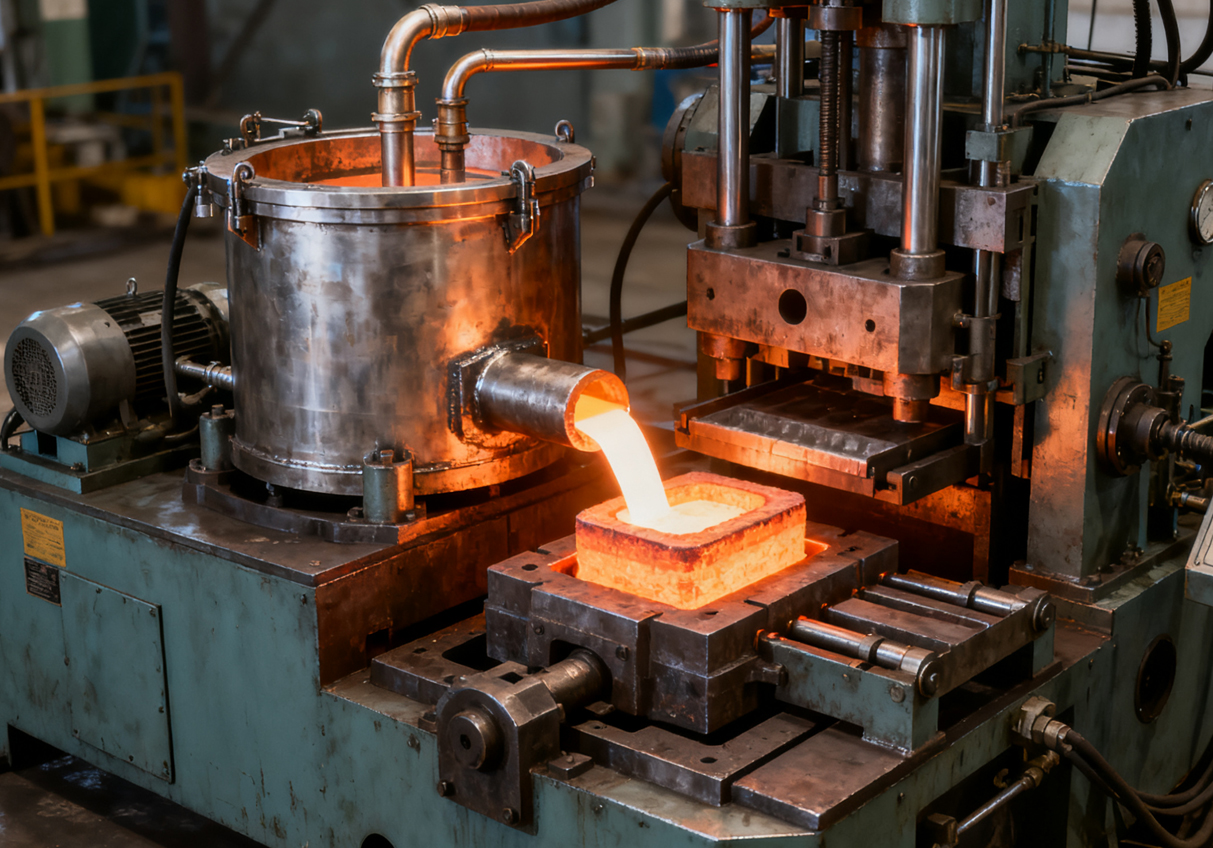
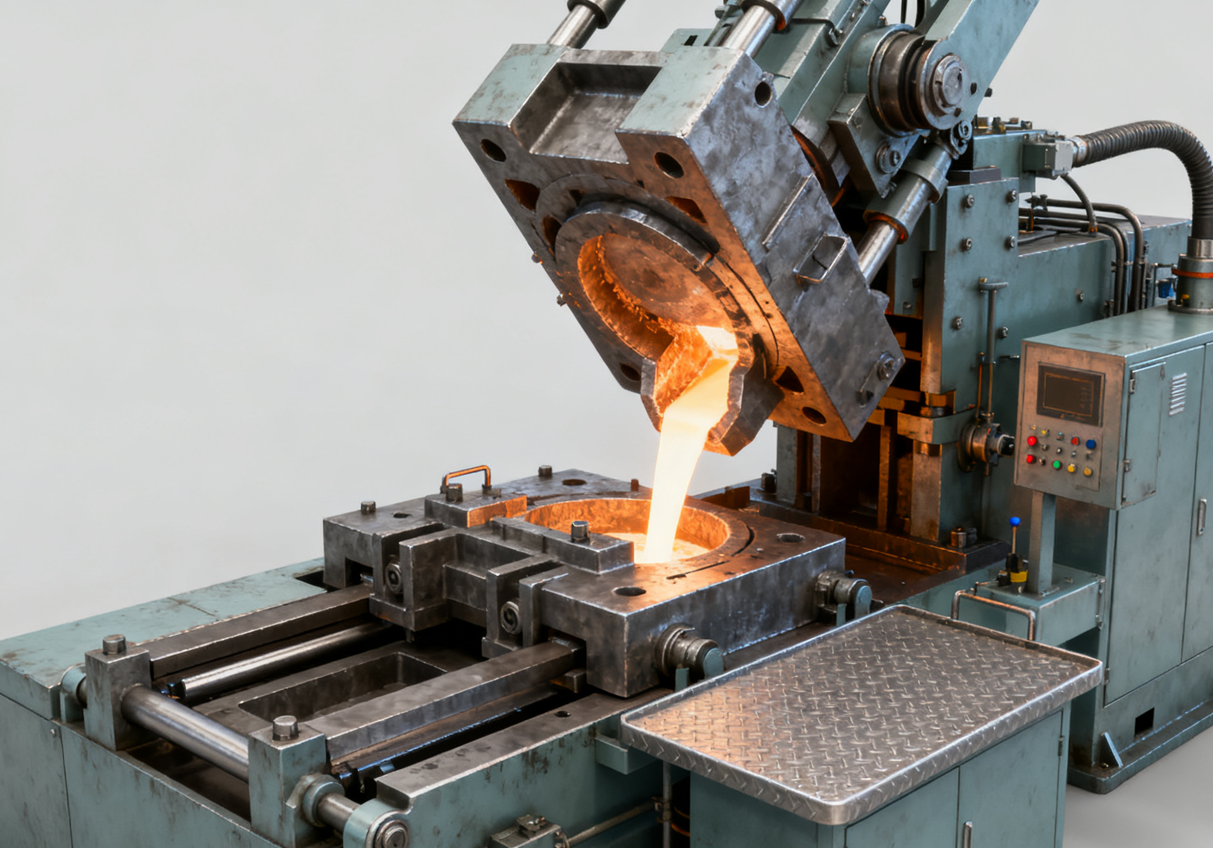
Low-pressure casting uses 'bottom-up filling under pressure.' Molten metal is sealed in a crucible and pressurized, forcing it smoothly upward into the mold cavity. It solidifies under continuous pressure, resulting in a dense casting.

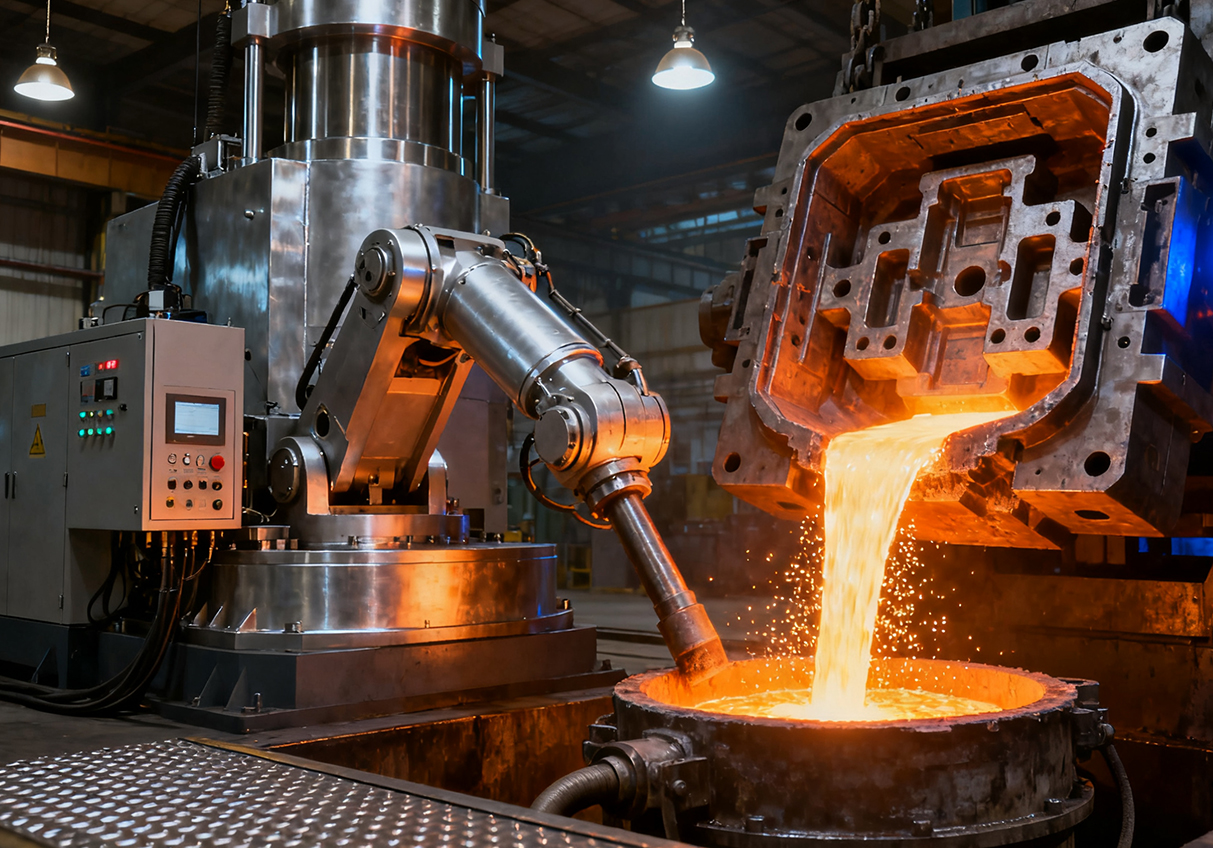
High-pressure casting (die casting) uses 'high speed, high pressure, instant molding.' Molten metal is injected into a mold at very high speed and pressure, where it cools and solidifies rapidly, forming the final part.

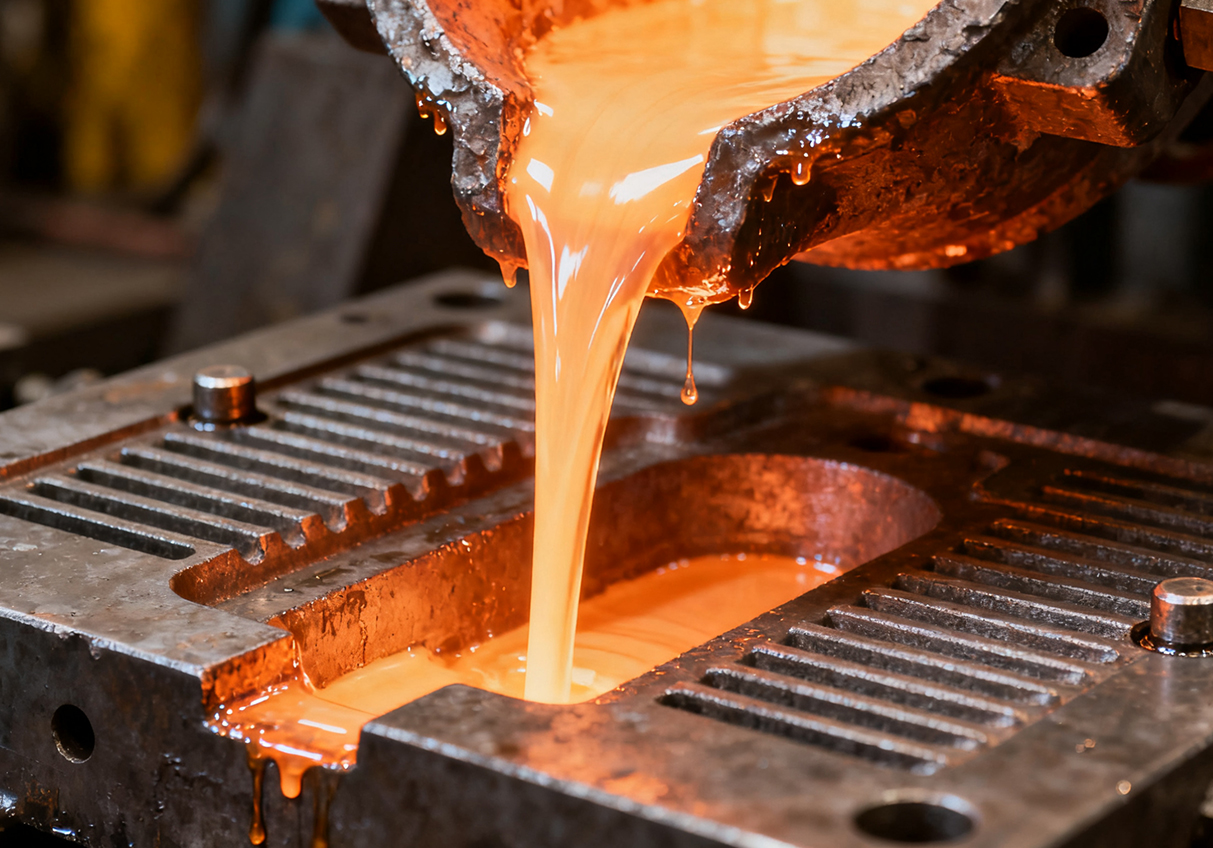
Gravity casting relies on 'gravity for natural molding.' Molten metal is poured and fills the mold cavity by gravity alone, then cools and solidifies without external pressure. It's the most traditional casting method.

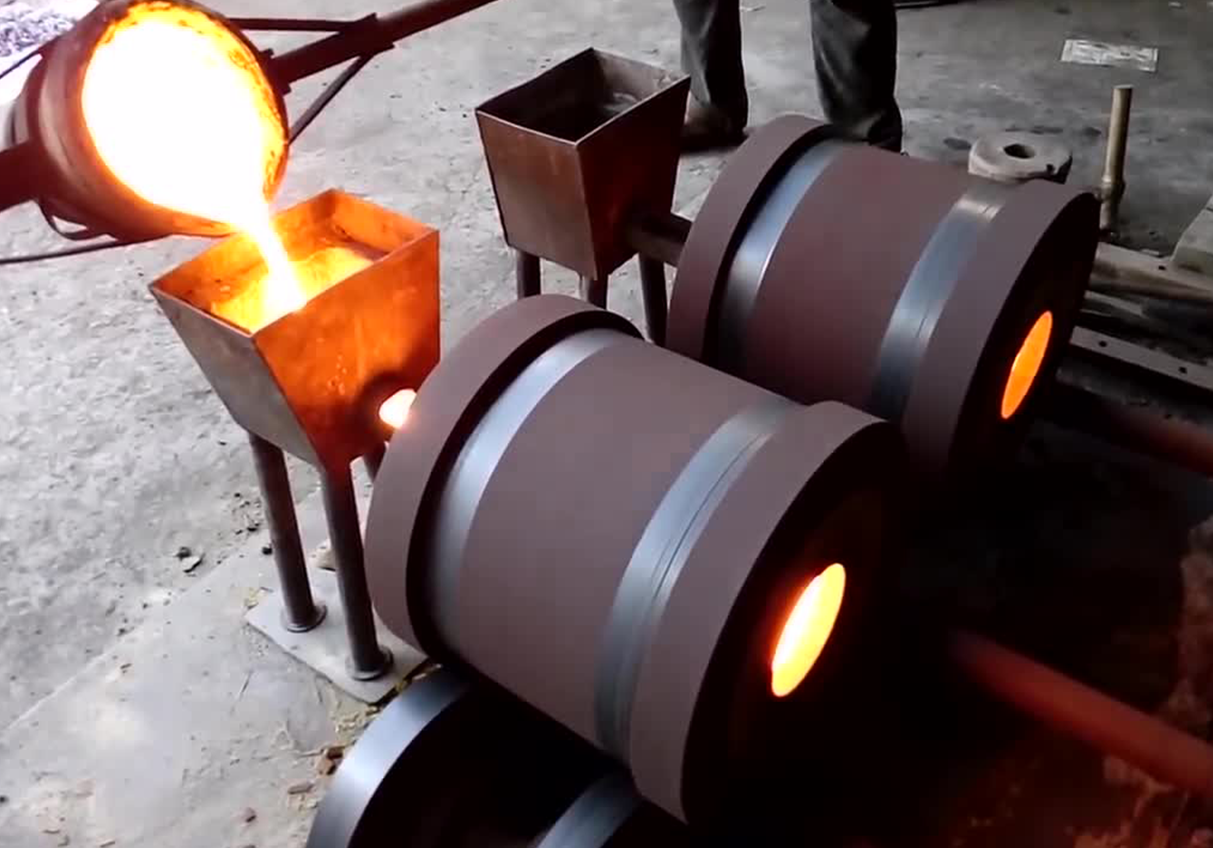
Centrifugal casting uses 'rotation to create centrifugal force for dense molding.' Molten metal is poured into a high-speed rotating mold. The centrifugal force presses the metal against the mold walls, ensuring a dense, defect-free casting.

Low-Pressure

High-Pressure

Gravity

Centrifge
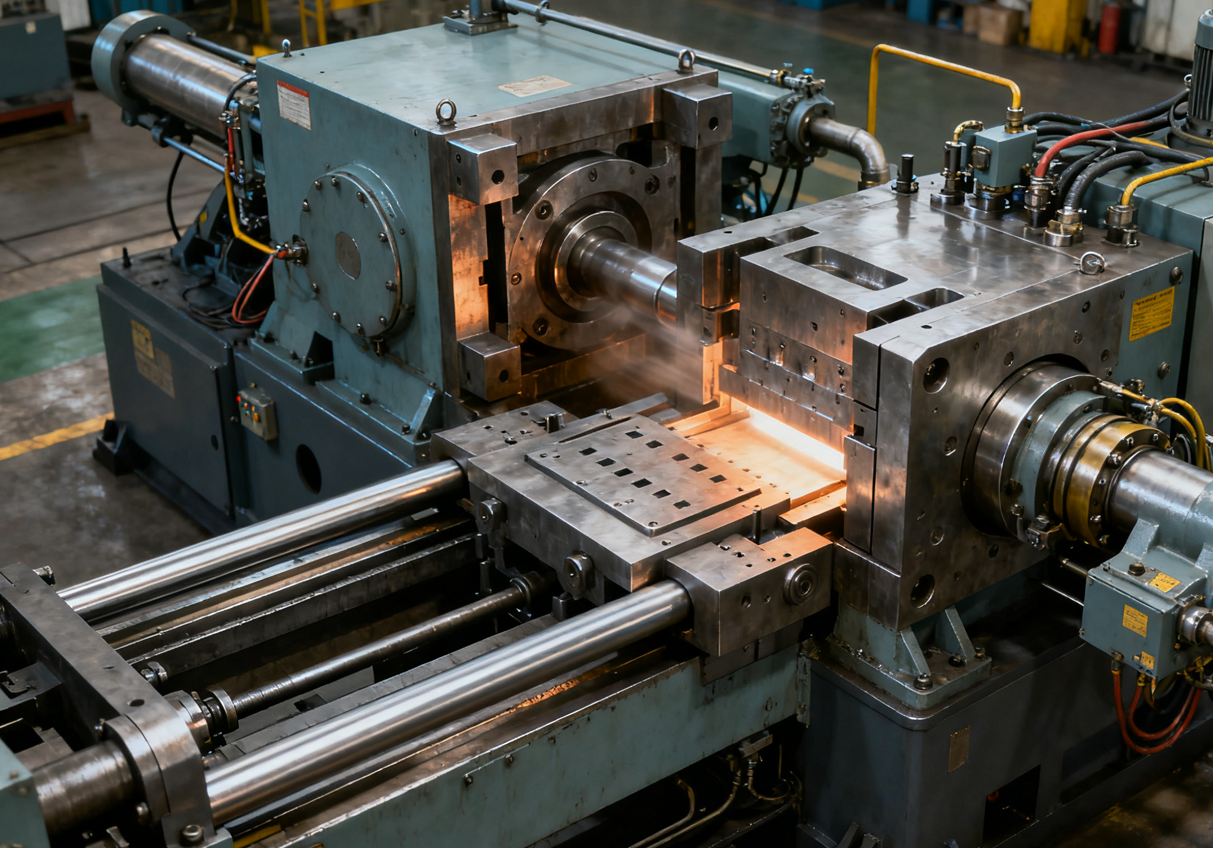
High quality: Pressure feeding results in dense, high-strength castings.
High yield: No risers needed; material utilization is over 90%.
Smooth filling: Reduces defects and ensures a smooth surface.
Easy to automate: High level of mechanization for good working conditions.

Extremely high efficiency: Short cycle times, suitable for mass production.
High dimensional accuracy: Tight tolerances for consistent parts.
Excellent surface finish: Requires minimal post-processing.
Produces complex, thin-walled parts: Can create intricate details.

Good internal quality: Smooth filling prevents trapped gases, resulting in high density.
Lower mold costs: Especially for sand casting, molds are cheap and quick to make.
High flexibility: Suitable for single parts or small batches, regardless of size or alloy.

High density: Centrifugal force pushes gas and impurities inward, creating a dense outer surface.
No need for cores: Can directly produce hollow, cylindrical parts, improving material yield.
Strong filling ability: Suitable for casting alloys with poor fluidity.

Low-Pressure

High-Pressure

Gravity

Centrifge
Low-pressure casting is ideal for complex, thick-walled, medium-to-large non-ferrous castings.
Automotive: Aluminum wheels, cylinder heads, engine blocks.
Motorcycle: Wheels, shock absorber parts.
Other: Aerospace components, electrical parts.

High-pressure casting is perfect for mass-producing complex, thin-walled, small-to-medium non-ferrous castings with high surface finish requirements.
Electronics: Phone/laptop casings, heat sinks.
Automotive: Engine blocks, transmission cases, door frames.
Hardware: Toys, zippers, door handles, faucet parts.

Gravity casting is best for medium-to-large castings requiring high internal quality and strength.
Engine parts: Cylinder heads, engine blocks, pistons.
Large machine parts: Lathe beds, large gears, pump bodies.
Other: Complex aluminum and copper alloy blanks.

Centrifugal casting is used almost exclusively for hollow and cylindrical metal parts.
Pipes: Cast iron drain pipes, oil pipes, various rollers and sleeves.
Machine parts: Engine cylinder liners, bearing rings.
Specialty: Composite rollers for chemical reactors.

Raw Material Management System
Strategic partnerships with Chalco/Luotong and others ensure raw material traceability. We offer custom specialty alloys: high-silicon aluminum (Si 18-22%) and wear-resistant copper alloy (Mn 12-14%).
Online refining of molten aluminum (hydrogen content ≤0.12ml/100g).

High-silicon aluminum (also known as HI-SIALALLOY) is a special aluminum alloy with a silicon content of 11% to over 30%. This unique combination of lightweight aluminum and hard silicon provides superior wear resistance and high precision, making it ideal for demanding applications.

A copper-based alloy with added elements like tin, lead, and zinc to enhance its microstructure. It maintains copper's conductivity while boosting hardness and wear resistance, making it ideal for heavy-load or harsh conditions.

A zinc-based alloy that overcomes the weaknesses of pure zinc with added elements like aluminum and copper. It is highly castable, cost-effective, lightweight, and recyclable, making it suitable for a wide range of industrial and consumer applications.

A real-time process that purifies molten aluminum during transfer. Using inert gases or refining agents, it removes impurities like hydrogen and non-metallic inclusions, improving the quality and mechanical properties of final aluminum products without halting production.

01
High-Silicon Aluminum
02
Wear-resistant Copper Alloy
03
Zinc Alloy
04
Aluminum Melt Refining
Precision Machining Capability
Precision machining capability is a core technical skill in the field of mechanical manufacturing. It refers to the ability to use equipment like CNC machines and precision grinders to perform cutting, grinding, and other processes on metal or non-metal materials, ensuring parts meet high requirements for dimensional tolerance, shape accuracy, and surface quality.
Equipment Type:
5-Axis Machining Center
Processing Range:
Maximum Workpiece: 2m x 1.5m x 0.8m
Accuracy Level:
±0.005mm
Equipment Type:
CNC Turning Center
Processing Range:
Maximum Turning Diameter: Φ600mm
Accuracy Level:
IT6 Grade
Equipment Type:
Coordinate Grinder
Processing Range:
Hole Processing Diameter: Φ0.5-50mm
Accuracy Level:
Roundness: ≤0.001mm
Surface Treatment Solutions
Surface treatment solutions are systematic plans for addressing material surface issues. The core is to use mechanical, chemical, electrochemical, or physical methods to resolve surface defects, optimize surface condition, and meet practical application requirements.
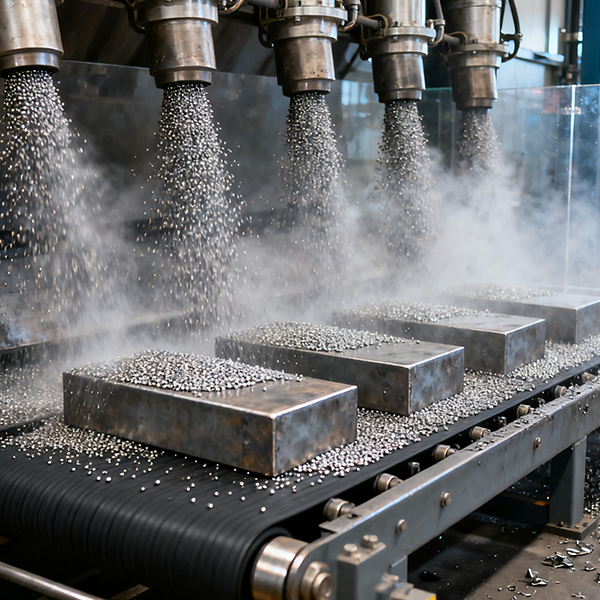
Shot Blasting
Shot blasting
Principle:Shot Blasting Principle
Application Scenario:Shot Blasting Application Scenario
Note:Shot Blasting Note
Sandblasting
sandblasting
Principle:Using compressed air to propel abrasives like quartz or corundum sand to 'grind' the surface of a casting, removing fine sand or oxide layers.
Application Scenario:Precision castings (like investment-cast turbine blades) and aluminum alloy parts requiring a smooth surface. Different abrasive grits can be chosen for rough cleaning or fine finishing.
Note:Requires a dust collection system to prevent dust pollution.
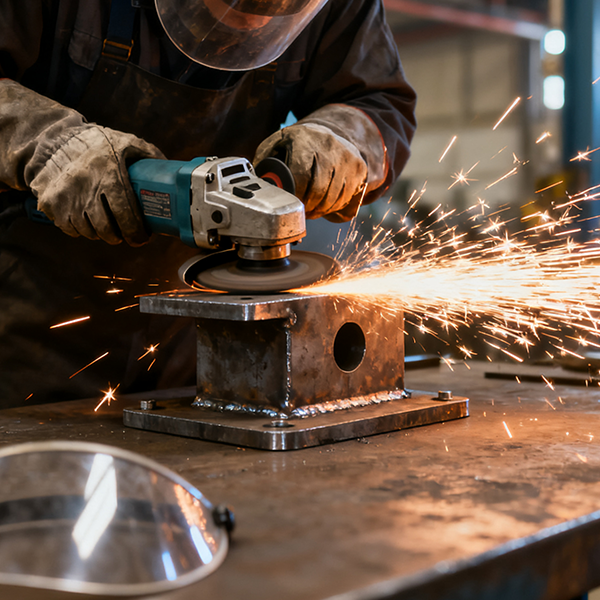
Mechanical Polishing / Grinding
Mechanical polishing / grinding
Principle :Manual or robotic use of grinding wheels, sandpaper, and files to selectively remove localized burrs and flash (e.g., from casting gates or risers).
Application Scenario :Local finishing of small-batch or irregularly shaped castings, or correcting residual defects after initial treatment.
Note :Wear goggles, a dust mask, and non-slip gloves. Check equipment for safety. Secure the workpiece, control force, and ensure ventilation.
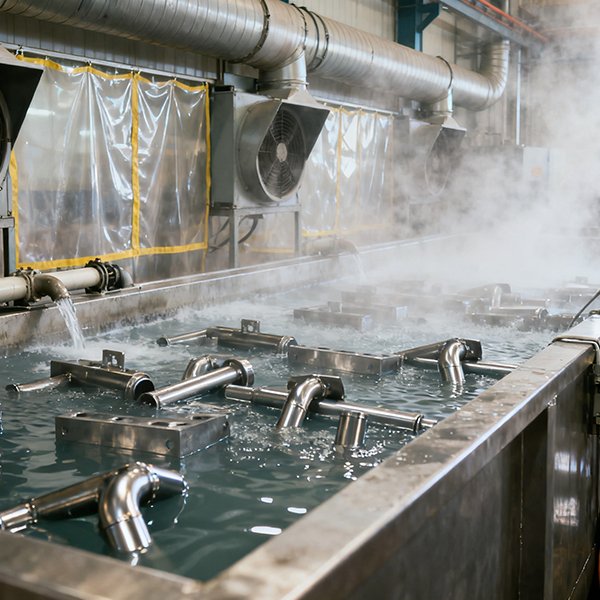
Acid Pickling and Degreasing
acid pickling and degreasing
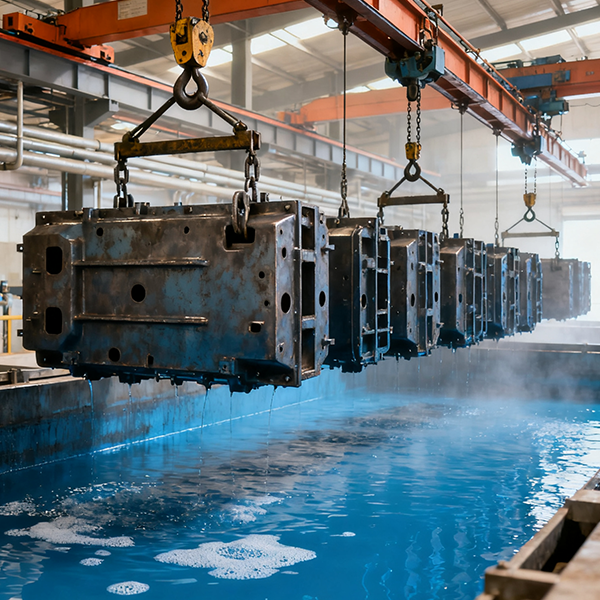
Principle:First, an alkaline solution (e.g., sodium hydroxide) removes grease, followed by a dilute acid (hydrochloric or sulfuric) to dissolve scale and rust.
Application Scenario:Deep oxidation removal for stainless steel and superalloy castings; cleaning oil from complex internal cavities (e.g., valve bodies).
Note:Control acid concentration and temperature. Must have a **wastewater treatment system** to neutralize acid and recover heavy metals, meeting environmental standards.
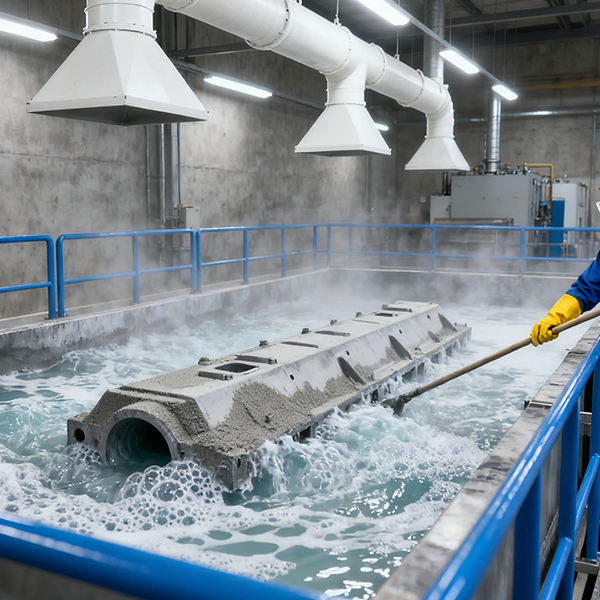
Chemical Desanding
chemical desanding
Principle:Using chemical solutions, such as fluorides, to dissolve residual quartz sand (SiO₂) from sand-cast parts, especially effective for blind holes and narrow gaps that are difficult to clean mechanically.
Application Scenario:Cleaning residual ceramic shells from investment castings or removing sand from deep cavities in stainless steel castings.
Note:Wear protective gear (anti-corrosion suit, goggles, acid-resistant gloves). Match chemical concentration to material. Ensure ventilation. Control time/temperature and properly handle waste liquid.
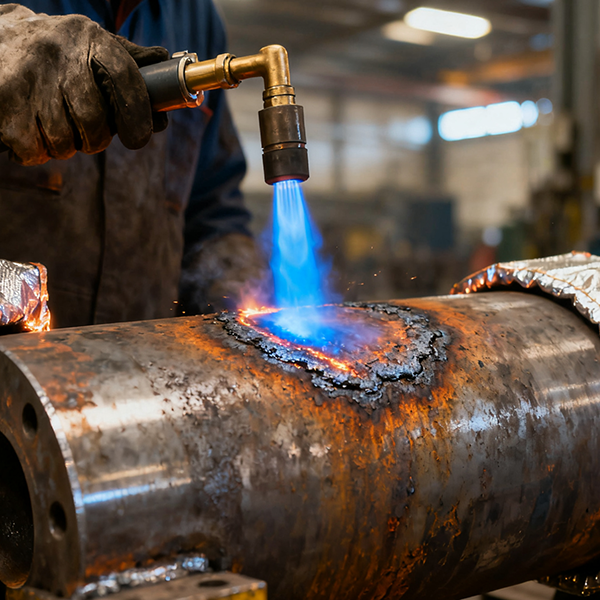
Flame Cleaning
flame cleaning
Principle:Using an acetylene-oxygen flame to heat the casting surface, making the oxide scale brittle and causing oil/grease to burn away.
Application Scenario:Pre-treatment for thick oxide scale on large steel castings (e.g., machine beds). It's efficient but low-precision, requiring follow-up with shot blasting or grinding.
Note:Wear flame-retardant clothing, goggles, and heat-resistant gloves. Check torch and gas line seals. Clear flammable materials, ensure ventilation, and control flame size.
Burn-off Cleaning
burn-off cleaning
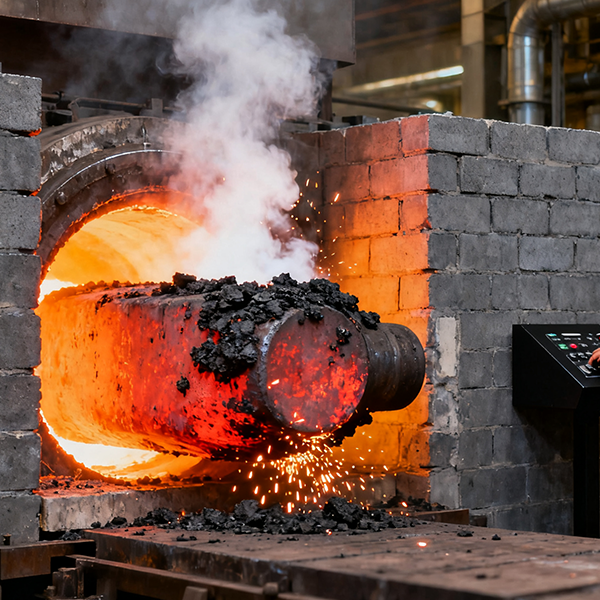
Principle:Heating castings in a high-temperature furnace (300-600°C) to carbonize or burn off residual resin sand and coatings, which are then removed by vibration.
Application Scenario:Castings from resin sand molds (e.g., automotive axle housings), where chemical cleaning is ineffective against resin residue.
Note:Wear fire-resistant gear. Check furnace seals and temperature controls. Arrange parts to ensure even heating. Control temperature/time to avoid over-burning. Ensure ventilation and proper cooling.
Phosphate Treatment
phosphate treatment
Principle:Immersing a casting in a phosphate solution (e.g., zinc or manganese-based) to form a water-insoluble phosphate film (5-15μm thick) on the surface.
Application Scenario:Pre-treatment for steel castings before painting (e.g., agricultural machinery parts, electrical cabinet casings).
Note:Wear protective clothing and acid-resistant gloves. Carefully control solution concentration and temperature. Pre-clean parts to ensure a quality film. Ensure ventilation and properly dispose of waste liquid.
Shot Blasting
Sandblasting
Mechanical Polishing / Grinding
Acid Pickling and Degreasing
Chemical Desanding
Flame Cleaning
Burn-off Cleaning
Phosphate Treatment

Contact Us

Contact

You can reach us in four ways. We will respond to your inquiry promptly!

Call

Email

Message Form

Add WeChat or WhatsApp

Upload Drawing

Upload your drawing for real-time quotes

Your documents are secure and confidential

Upload Drawing
Confirm Order
Parts Arrival